















Home Maintenance &Warranty Guide
Seasonal Maintenance
PLEASE NOTE: Failure to follow some of these seasonal homeowner maintenance suggestions may void any warranty coverage.
Fall
The first 3 suggestions are crucial to the fall maintenance of your home
- Remove exterior sump pump hose.
- Remove hoses from exterior faucets and turn off exterior lawn service located in the basement.
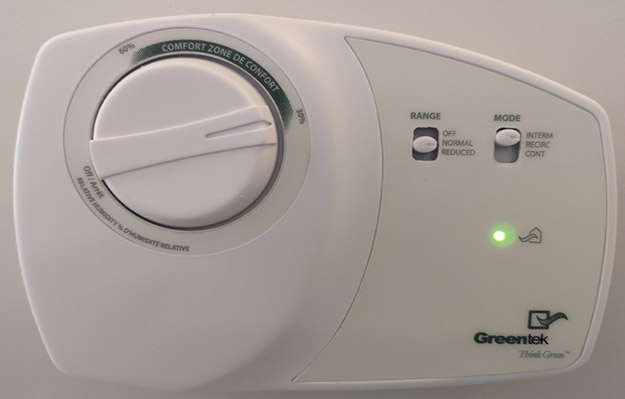
- Set the dehumidistat between 30% – 45%, and turn off the AC (if applicable).
- Clean debris out of eaves troughs.
- Clean the humidifier per the manufacturer’s instructions and turn to the winter setting (if applicable).
- Check and operate the heating system.
- Adjust or replace weather-stripping on exterior doors as needed.
- Check the fit of exterior doors at their thresholds. Many designs are adjustable.
- Ensure that all exterior vents are not blocked by debris.
- Check foundation, concrete slabs, and yard for soil settlement, and fill in as needed to maintain positive drainage.
Winter
- Brush snow off the roof, gutters and away from downspouts and vents.
- Throughout the winter remove ice build up, or ice damming, from eaves troughs.
- Avoid using de-icing agents with damaging salts.
- Remove window screens to allow air from the heating system to keep condensation off the windows.
Spring
- Test sump pump and attach discharge hose.
- Turn on the lawn service in the basement. Always check basement for possible leaks when exterior faucets are first used.
- Turn the dehumidistat down to 0%, but do not turn off the HRV at the unit itself. Do not turn up the dehumidistat while running an AC unit. They will work against each other.
- Turn the humidifier to the summer setting (if applicable).
- Make certain the air conditioner compressor is level and clear of debris.

Important: Sump Pump And Sump Pump Pits
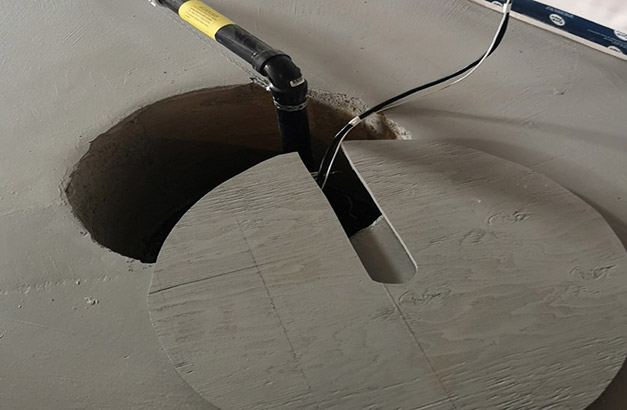
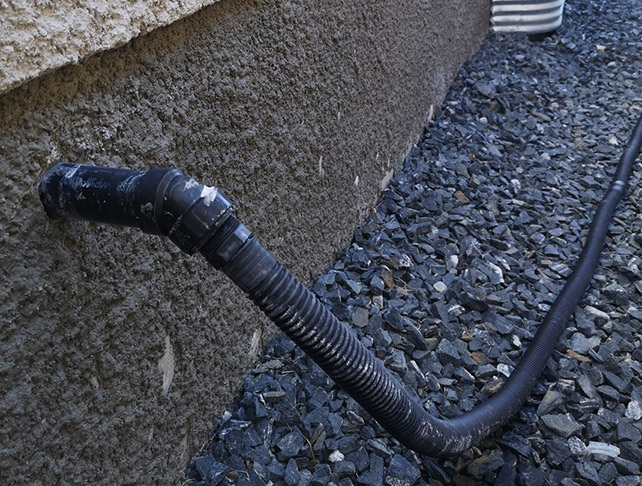
You must remove the exterior sump hose from your sump pump line in fall and winter, and place a splash pad beneath the discharge to prevent soil erosion. If left connected, the hose will freeze and obstruct the flow of water and this obstruction could possibly burn out your sump pump. This may also cause a backup of water under the basement floor causing it to flood and/or heave.
You must reattach the exterior sump hose in spring and summer to ensure positive drainage away from your foundation walls.
Sump Pump Maintenance:
Periodically operate the sump pump to help prevent the seals from drying out. To do this, remove the sump pump plug, draw air from the short plastic tester tube extending from the plug and immediately plug it back in. This should make the pump operate for a few seconds. If your sump pump does not have a tester tube, pour enough water in to the pit to cause the pump to operate for at least 30 seconds.
Periodically check the pit for soil seepage from the weeping tiles. If there is soil in the bottom of the pit, unplug the sump pump, remove it, and clean the pit and pump. These steps will ensure the proper operation of your sump pump.
Troubleshooting
If the pump fails to function:
- Ensure that the power source is turned on. If it is;
- Disconnect the power source and look to see if the pump is clogged. Do not check a powered pump. If the problem persists;
- Call Broadview Warranty in the first year. After the warranty period has ended, call the pump manufacturer for the name of a qualified service company.
The builder’s warranty does not cover water damage to personal belongings from sump pump failure. You may consult with your home owners insurance.
Completing the Exterior Work
It is unfortunately not possible to give you a timeframe of when your exterior work will be done. Whenever possible we complete work in the order of most outstanding, but to maximize the effectiveness of our crews, trades will start at one end of a street and work their way down, and will finish work in one area of the City or RM before moving on to the next. This does not guarantee that your home will be completed at the time a trade is on your street, but in most cases, it is a good indication.
There is some sequence to exterior work. The garage floor is poured before the driveway and approach, and the approach must be inspected before the driveway can be poured. The scratch coat has to cure before the final coat of stucco is applied, and all other exterior work must be complete before final lot grading can begin.
Temporary (gravel) Driveways and Garage Floors
Gravel driveways and garage floors will sink as the frost leaves the ground and you may need to park on the street for a short period until we are able to pour your garage floor and/or driveway. No amount of gravel or fill can prevent frost from causing the ground to sink, it will actually prolong the process, and so we do not typically re-fill driveways or garage floors. If you require a temporary path from the street to your home, please email seasonal work at seasonalwork@qualico.com.
Garage Floors
We cannot pour garage floors until the frost is out of the ground. We monitor each site for frost, so if you notice another garage floor being poured before yours, it is most often because there was little to no frost at that site. When possible, leave garage overhead doors open to help remove the frost.
We will notify you once your garage is scheduled to be poured, and you should expect to keep vehicles off the garage pad for approximately 7 days.
Driveways and Sidewalks
Our licensed contractors are required to take out permits from the City of Winnipeg, or the governing RM, to place driveway approaches. The City or RM will only issue these permits when weather and frost levels are adequate, which is traditionally around mid to late May.
Sometime after a permit is obtained, you will be notified that the driveway, approach and sidewalk (if applicable) are ready to be formed. Once they are formed, the rebar is laid and the City or RM is notified that the approach is ready for inspection. Only after it passes the inspection can we pour the driveway and approach. Once poured, you should expect to keep vehicles off the driveway for approximately 7 days.
Scratch Coats and Stucco
Scratch coat and stucco application require certain daytime and overnight temperatures. Once temperatures allow, we do our best to complete all outstanding scratch coats before beginning stucco applications. This is because scratch coats can be applied in lower temperatures, and because the paper and wire protecting your home should be covered as soon as possible.
If you see the stucco crew about to start work on your street, please ensure that your exterior lawn service is turned on and functional because they will need a small amount of water in order to complete your stucco. Appointments are not set for scratch coat and stucco application.
Exterior Painting
When the painters are in your area they will contact you directly to schedule an appointment. Front door painting requires someone to be at home to leave the door open for a short period to dry.
Lot Grading
Lot Grades are determined by the landscape engineer for your community and are set after all other exterior work is complete. This work can only begin in early to mid-summer when ground conditions permit.
Once the Engineer has placed the lot grade stakes, an independent contractor grades the lot to approximately 4″ – 8″ below the stake lines to allow room for landscaping materials. Once the grade is complete, the engineers return to inspect that all lot requirements are met, and that it is graded correctly.
Immediately after the final grade passes the inspection, Broadview Homes will send you notice that you can begin landscaping. This letter contains important information about landscaping guidelines, so do not proceed until you have received it. Once the final grade is set, you will want to take care not to alter it.
Exterior Window Cleaning
Exterior windows are cleaned shortly after final grade release so that we can remove the layer of dust that collects during the grading process. If you do not wish to wait until after final grading to have your windows cleaned, you can request this one-time service earlier by emailing the seasonal work department at seasonalwork@qualico.com. Please note that exterior window cleaning is only offered once, and is homeowner responsibility thereafter.
Weather, permits, frost levels, by-laws and material and labor availability will all dictate how quickly we are able to complete your exterior work. These factors are not always within our control, so we appreciate your patience and consideration.
If you still have concerns you can email us at seasonalwork@qualico.com.
New Home Maintenance Review
Because we understand that the information regarding your new home can be overwhelming, Broadview Homes offers a New Home Maintenance Review.
To schedule a New Home Maintenance Review simply contact Broadview Warranty at 204-254-9265 or servicewpg@qualico.com any time after you move in.
The review takes place with you at your home, and will further familiarize you with the operation and maintenance of important components of your new home.
Broadview New Home Warranty Coverage
Your new Broadview Home is covered by the following industry leading 1 – 2 – 5 – 10 year warranty provided by Aviva Insurance Company of Canada, represented by its Agent, National Home Warranty Group Inc.
First year:
- Any defect in materials, labor and design with respect to the new home.
- Drywall crack and nail pop repair once at year-end. Paint not included.
First 2 years:
- Defects in materials, labor and design which render the new home unfit to live in;
- Defects in materials, labor and design supplied for the electrical, plumbing, heating, ventilation and air conditioning delivery and distribution systems.
First 5 years:
- Defects in the building envelope, including defects resulting in water penetration;
- Defects in materials, labor and design supplied for the exterior cladding, caulking, windows and doors that lead to detachment of, or material damage to, the new home.
First 10 years:
- Any structural defect
This is a limited home warranty and it does not cover all components of the new home. Exclusions from this home warranty program include, but are not limited to, grading and landscaping, water quality/pressure and appliances. For a complete outline of warranty coverage, please refer to the Schedule G received at the time of your offer to purchase.
Broadview Homes will repair or replace warranted items as per the coverage outlined in this manual. Items that qualify for warranty and are reported within the warranty period will still be honored even if repairs lapse the anniversary date.
Broadview Homes is not responsible for repair costs incurred by the owner without express prior approval.
Any obligation under this warranty terminates if the property is unoccupied by the owner or is left vacant and unattended. Broadview Homes reserves the right to refuse repair on rental property and property used for commercial use. Defects caused by normal weathering and shrinkage, humidity, soil movement, acts of nature, improper usage, maintenance, neglect or alteration are not covered under warranty.
Charges for emergency calls are billed directly to the homeowner when calls are unnecessary, or non-emergency.
Broadview Homes is not responsible for color pattern variation due to product discontinuation or for dye lot variances.
For questions or concerns, please contact Broadview Warranty at 204-254-9265 or servicewpg@qualico.com Monday through Friday between 8:30am and 5pm.
Warranty Request Procedures
How to Report a Warranty Problem
When you notice a problem with your new home, review the appropriate section of this manual to address the issue.
If the problem is not regular homeowner maintenance and falls within the warranty guidelines, please follow the service request procedures below:
Submit non-emergency repairs to Broadview Warranty in writing to avoid misunderstandings, clearly establish priorities, and assist in scheduling.
There are 3 Request for Service submission dates:
- 3 months after possession
- 6 months after possession
- Shortly before the 1 year anniversary of possession
Immediately call emergency repairs in to Broadview Warranty at 204-254-9265 within regular office hours, otherwise, contact the trade direct. Emergency contact numbers for trades are provided on page 1.
Examples of emergency items are major plumbing leaks, electrical shortages and a disabled furnace when heat is crucial.
When calls are unnecessary, or non-emergency, charges for emergency calls are billed directly to the Homeowner.
Warranty request forms are provided at the back of the Warranty Coverage and Procedures section of your Homeowner Manual binder, or, you can email warranty directly at servicewpg@qualico.com. Include your address, daytime telephone number and a description of the problem. Any previously reported repairs that are incomplete should also be included with each request.
Mail:
Broadview Homes
C/O Broadview Warranty
1 Dr. David Friesen Drive
Winnipeg, MB R3X 0G8
Email: servicewpg@qualico.com
Warranty Repair Procedures
In approximately 10 – 15 business days of receiving a request a member of Broadview’s warranty department or one of its trades will contact you to schedule an appointment for further assessment or repair. Whether Broadview Warranty or its contractor schedules the appointment depends on the nature of the request.
All repairs are scheduled between 8am and 3pm Monday through Friday on regular business days. You are responsible to provide access to your home on the day scheduled.
If you have any questions or concerns regarding outstanding issues noted at your Homeowner Orientation, please page your Site Supervisor at 204-946-2735.
Mediation And Arbitration Aviva Insurance Company Of Canada


You may open a claim with Aviva Insurance Company of Canada if you do not agree that Broadview Homes has followed the warranty policies or coverages set herein. Aviva Insurance Company of Canada, represented by its agent National Home Warranty, works in the interest of the homeowner and acts as a mediator when the homeowner and the Builder cannot agree on a course of action.
To open a claim with Aviva you must submit your claim within the warranty period to: https://www.nationalhomewarranty.com/tools/claims/
Claims must include the following information:
- Your Enrollment ID, also known as your policy number. This information is on the Certificate of Possession signed with the Lawyer at the time of closing.
- Your full name.
- Your home address.
- Your phone number.
- Your e-mail address.
- A detailed description of each item being claimed, including the specific location in the home.
- Any other details you feel are relevant.
Aviva will process your claim and will contact you to set up an appointment for an on-site assessment. Once they have determined what the builder is responsible for, a copy of their evaluation is sent to you, and to the Builder.
For more information on Aviva Insurance Company of Canada and National Home Warranty you can visit their website at https://www.nationalhomewarranty.com.
Care and Maintenance Tips
Follow the suggested care and maintenance tips below to help ensure that your warranty coverage is not compromised, and to prolong the life of many products and finishes in your home.
Ceramic Tile
- Wipe ceramic tile dry after each use of the tub or shower to avoid mold build-up.
- Repair caulking around your tub as part of your regular maintenance. It does break down over time, making it possible for water to penetrate the walls.
- Grout will shrink and crack over time and may need to be periodically repaired or replaced.
- It is recommended to apply grout sealer annually to extend the life of the installation.
Countertops: Laminate
- Do not allow water to stand on joints; keep joints dry. Water or steam can cause them to swell.
- Never place heavy appliances like electric mixers and slow cookers on countertop joints.
- Never place pots or dishes from the oven or burner directly on laminate surfaces. This can cause them to crack or blister.
- Place protective pads under coffee pots, electric frying pans, slow cookers, etc. The steam from these appliances can damage the counter top.
- Keep the area around sinks dry. Although sinks are caulked prior to possession, water can still seep beneath the sink in to the particleboard of the countertop causing it to swell.
Countertops: Marble
- Only use cleaning solutions approved for marble surfaces. Abrasive or acidic cleaners, especially drain cleaners, can scratch, stain and dull the surface.
- The manufacturer recommends periodically cleaning with Gel-Gloss, a wax made specifically for cultured marble stone to help protect the finish.
- Clean up spills immediately. Leaving acidic substances like wine, toiletry products and cleaning solutions on marble surfaces can cause it to scratch, stain or dull.
- Always use trivets or hot pads to prevent scratches or scorching.
- Minor surface scratches can be buffed out with polishing compound.
Countertops: Quartz and Granite
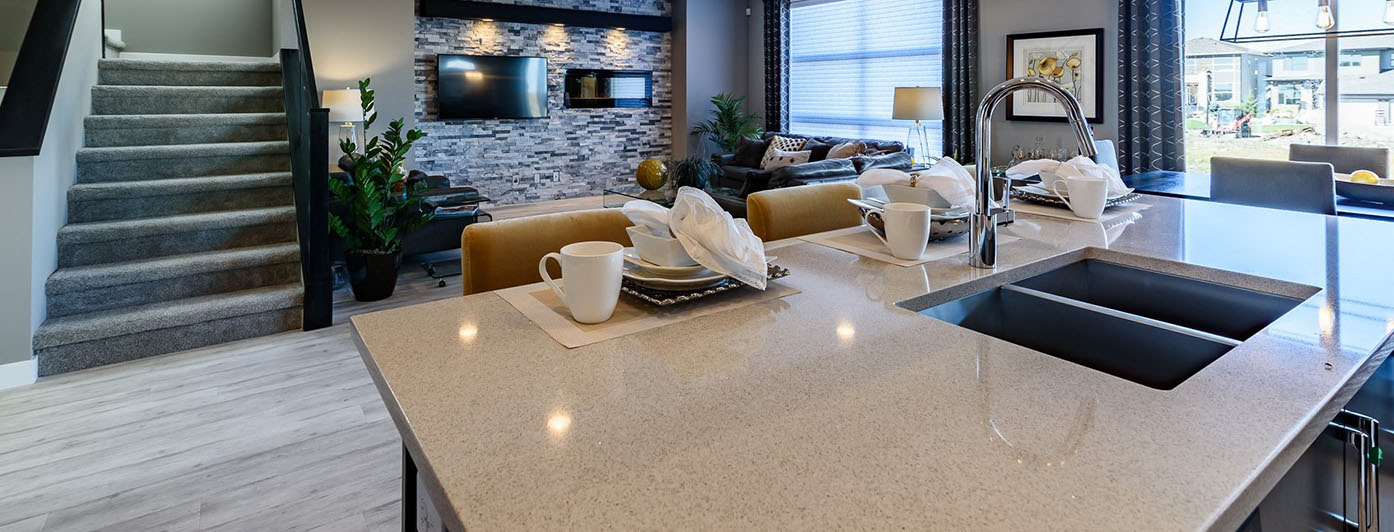
- Do not let liquid sit on the countertop for an extended period as it can cause staining. Wipe away spills as soon as possible and clean with mild soap and water.
- Never use chemicals or cleaners not approved for use on stone surfaces.
- Use hot pads and cutting boards to avoid scratches, chips and abrasions to the countertop.
- Your granite countertop may need to be re-sealed if standing water darkens the countertop, or if water no longer beads on the surface. Quartz countertops do not require re-sealing.
Flooring: Carpet
- Frequently vacuum high traffic areas. This will help to prevent carpet wear.
- The weight of furniture on any carpet will crush the pile. Vacuum against the lay of the tufts to restore the pile, or hold a steam iron several inches above the carpet and steam the dented area lightly; brush tufts upwards.
- We recommend that you have your carpet professionally cleaned from time to time to remove the embedded dirt that causes dullness and premature wear.
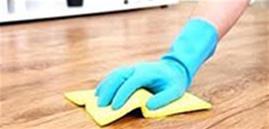
Flooring: Laminate, Hardwood and Vinyl Plank
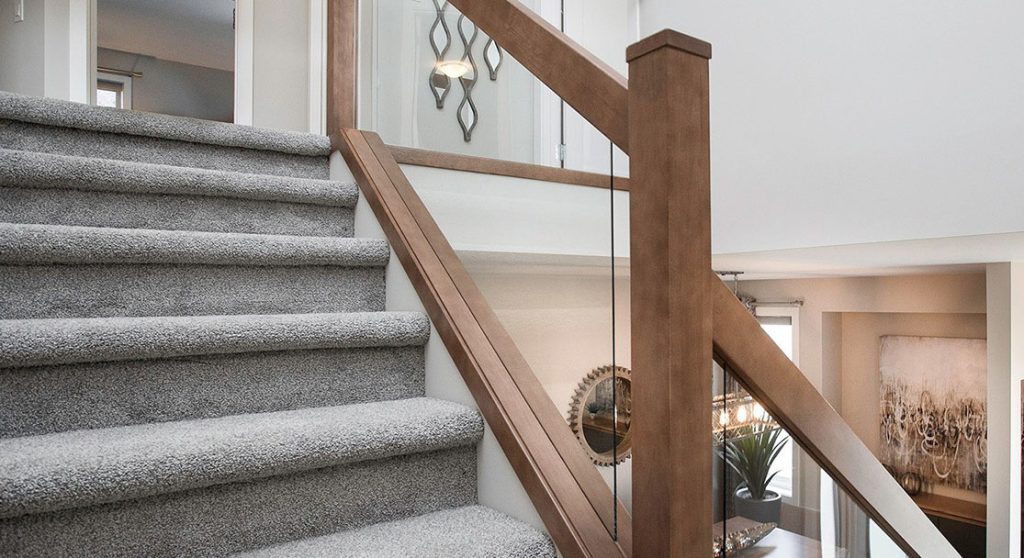
- Maintain a relative humidity of about 30% – 45% to help prevent expansion and contraction of vinyl plank, laminate or hardwood floors, which can cause buckling, peeling, cracking or unattractive gaps between the planks.
- Laminate and hard wood floors will absorb liquids quickly causing the boards to swell. Do not wet mop laminate or hardwood floors, and wipe up spills immediately to avoid damage.
- Although vinyl plank flooring is waterproof, standing water will still make its way through the joints and cause damage to the sub flooring, so clean up spills immediately.
- Do not use abrasive cleaners like ammonia or chlorine bleach.
- Frequently sweep or vacuum. This will help to protect flooring from damaging dirt and gravel.
- Apply felt protectors to the bottoms of furniture to minimize the risk of scratching flooring. Do not move or drag large items like furniture or appliances across flooring without placing protection such as a blanket, or mat, beneath it.
- Do not use rubber back floor mats on vinyl floors; this may cause yellow patches.
HVAC and Exhaust Vents
- Register your furnace and air conditioner (if applicable) with the manufacturer to take advantage of their extended warranty. Please refer to the Heating, Ventilation and Air Conditioning section of this manual for more information on registering these products.
- Turn the dehumidistat to 0%, or off, in the warm, humid summer months. Set it back between 30% – 45% in the winter when the furnace is operating.
- Check HRV filters 4 times a year and clean as needed. Clean the HRV core annually. Please refer to the HRV System section of this manual for more information on HRV care and maintenance.
- Replace furnace filters once a month for the first 3 months, and approximately every 3rd month thereafter, depending on your home’s environment.
- The furnace ducts were cleaned prior to your possession, but they will continue to collect and trap dirt and debris so be sure to have your ducts professionally cleaned as needed.
- Keep exhaust and intake vents clean and free of snow and ice.
- Clean the dryer vent at the outside exhaust. Lint and debris will build up at the vent and can cause the dryer to malfunction.
- Have your air conditioner cleaned every year to avoid potential damage caused by the build-up of dirt and debris.
Other Areas
- Register your hot water tank with the manufacturer to take advantage of their extended warranty. Please refer to the Plumbing section of this manual for more information on product registration.
- If frost melt down occurs on the basement walls, you can remove the poly sheeting and insulation from the foundation walls until they are dry. Running a dehumidifier will expedite the drying process. This is a part of regular homeowner maintenance.
- Installing an automatic garage door opener could void warranty on the overhead door. To reduce the risk of voiding the warranty we recommend using the original, or another authorized installer. Contact Broadview Warranty to find the original installer.
- If you are leaving your home unattended during winter, turn off the water and do not set the temperature below 10 degrees Celsius.
- Never wash new paint within the first 6 months.
Basement, Foundation and Frost Meltdown
Basement Floor
Your basement floor is a floating slab and is not part of the structural foundation. It is designed this way so that the ground movement beneath does not cause structural damage to the home. Basement walls are also floating to allow the floor to move freely without damaging the home.
Basement floor slab movement is normal with Winnipeg’s soil conditions and the upwards movement, or heaving, of the basement floor slab should stabilize within the first few years. Corrections or repairs are not required unless the floor heaves to an extent causing excessive damage to the super-structure.
It is normal for concrete flatwork to crack, and in most cases, this is not warrantable. Concrete will shrink as it cures (dries out), causing stress to the slab that is only released through separation, or cracking. Expansion in warm weather and contraction in the winter months, ground settlement and the effects of ground frost are other causes for concrete to relieve stress by cracking.
Basement Wall Frost Melt Down
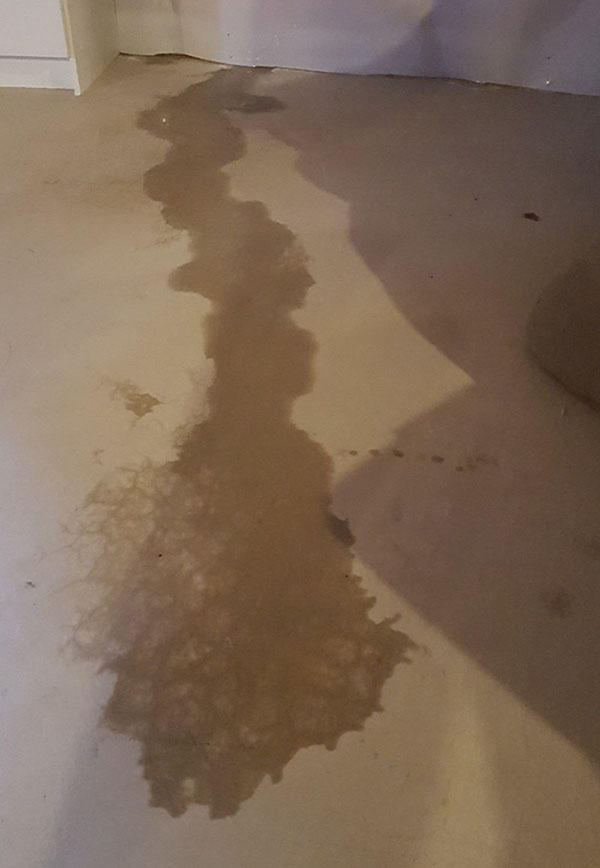
Frost melt down happens in spring when frost that forms inside the concrete basement walls releases in to the warmer environment of the unfinished basement, causing water to run down the walls onto the basement floor.
Mitigating and maintaining frost melt down is a part of regular homeowner maintenance because it is not caused by a defect in materials or labor. Frost melt down will cease when foundation walls are finished (drywalled).
If frost melt down occurs, you can remove the poly sheeting and insulation from the foundation walls until they are dry. Keep personal belongings away from the walls, and if possible, install a dehumidifier. Removing and reinstalling insulation and poly for frost melt down is a part of homeowner maintenance.
Foundation Cracks
Soil settlement and the curing (drying out) process of concrete can cause surface cracks to appear in the basement walls, or foundation, of your home. These cracks do not affect the strength or integrity of the wall and a crack does not need to be repaired unless it leaks, or exceeds 1/8 in width.
Telepost Adjustments
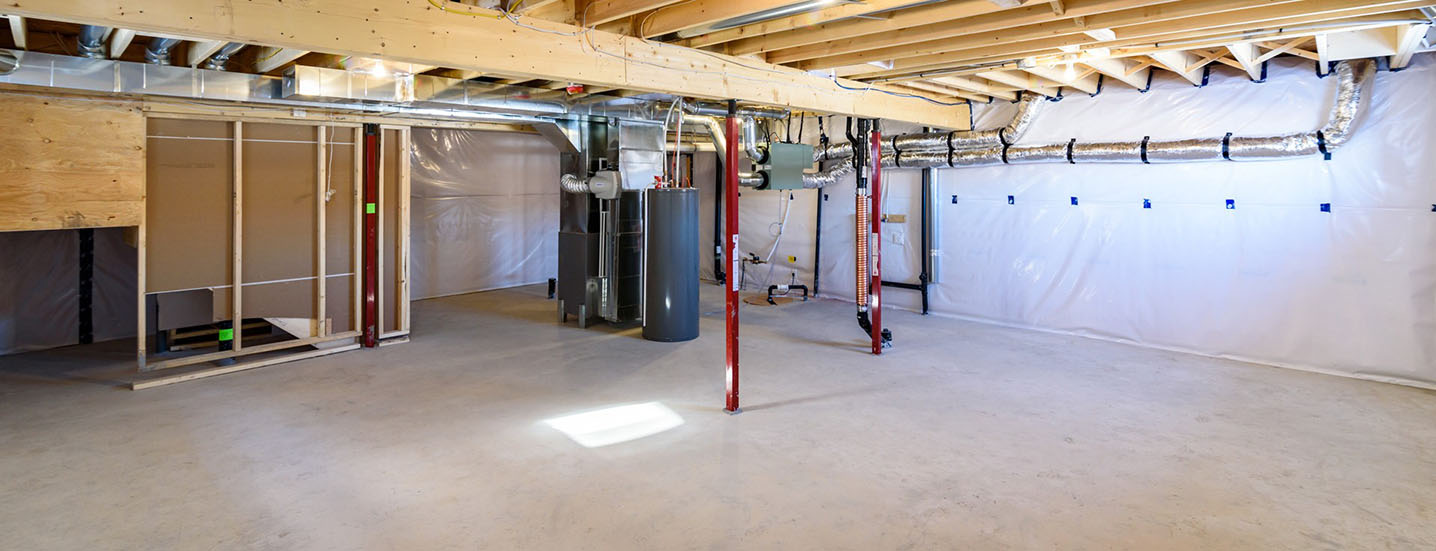
Telepost adjustments may be required when cracks develop over the arches and interior doors, when doors shift, or if floors seem uneven. These movements are caused by settlement, and by building materials shrinking as they dry causing them to move away from the main beam. Once the nearest telepost is adjusted, cracks will usually close and floors will correct themselves.
To adjust the telepost we recommend that you hire a contractor to ensure that the correct adjustments are made. Over or under corrections can cause damage to your home.
Cabinets and Countertops
Cabinets and countertops are warranted by Broadview Homes against defective materials and labor for 1 year. After the first year your cabinets are backed by an Original Consumer Limited Lifetime Warranty through Kitchen Craft of Canada. For more information please visit their website at: https://www.kitchencraft.com/get-started/love-your-space/warranty

Cabinets
Broadview warranty does not cover the following cabinet concerns:
- Cabinet finish has faded. It is the nature of manufactured wood products to fade somewhat over time.
- Cabinet and vanity door or drawer adjustments after the first year. Adjustments are required after periods of settlement, and settlement is not within the builder or manufacturer’s control.
- Countertop and cabinet separation from exterior walls. Fluctuations in outside temperatures cause the exterior walls to contract and expand. This is normal, and walls should eventually move back to fill the gap on their own.
- Damages not noted prior to possession, e.g. cabinet chips, scratches, etc.
Cabinet Drawers
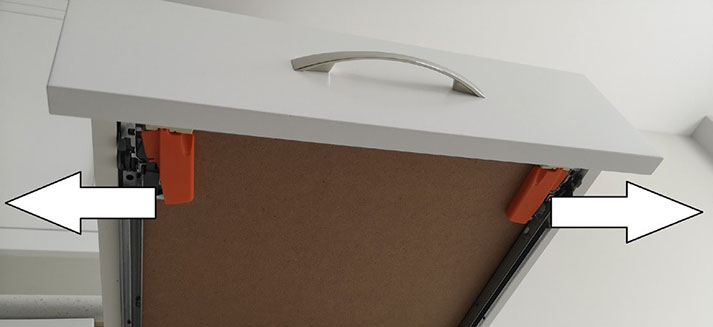
To remove cabinet drawers, simply pull the orange levers on the bottom front corners of the drawer out to the sides and pull the drawer off the rails.
To reinstall the drawer, place it back on the rails and push the drawer closed until it reengages.
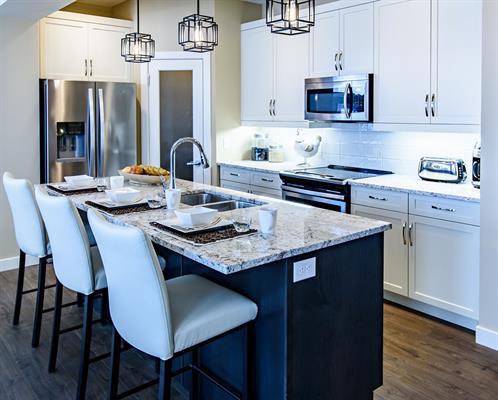
Granite Countertops
Granite countertops are a porous natural stone that hold up well against abrasions, stains and extreme heat. However, despite its durable properties, we still recommend the following care and maintenance because resulting damages are not warranted:
- Although granite is extremely heat resistant, manufacturers still recommend the use of trivets or hot pads to avoid potential damage by prolonged or sudden heat.
- Do not let liquid sit on the countertop for an extended period as it may cause staining. Wipe away spills as soon as possible and clean with mild soap and water.
- Never use abrasive cleaning pads or chemicals and cleaners not approved for use on stone surfaces.
- If standing water darkens the countertop, or if water no longer beads on the surface, your countertop may need to be re-sealed. This is a part of regular homeowner maintenance.
Laminate Countertops
Laminate countertops are fabricated of high-pressure laminate coverings over particleboard or plywood. Although laminate is a durable finish, we still recommend the following care and maintenance because resulting damages are not warranted:
- Keep the area around sinks and countertop joints dry. Water and steam can seep beneath the sink or joints in to the particleboard of the countertop causing it to swell.
- Never place pots or dishes from the oven or burner directly on laminate surfaces. This can cause them to burn, crack or blister.
- Place protective pads under coffee pots, electric frying pans, slow cookers, etc. because the steam from these appliances can damage the counter top.
Marble Countertops
Marble countertops are a beautiful and durable stone, but are softer and more porous than granite. They are composed of calcium carbonate making them susceptible to scratching, pitting, cracks, stains, and even dulling of the shine. We recommend the following care and maintenance against damages that are not warranted:
- Only used cleaning solutions approved for marble surfaces. Abrasive or acidic cleaners, especially drain cleaners, can scratch, stain and dull the surface.
- The manufacturer recommends periodically cleaning with Gel-Gloss, a wax made specifically for cultured marble stone to help protect the finish.
- Clean up spills immediately. Leaving acidic substances like wine, toiletry products and cleaning solutions on marble surfaces can cause it to scratch, stain or dull.
- Always use trivets or hot pads to prevent scratches or scorching.
- Minor surface scratches can be buffed out with polishing compound.
Quartz Countertops
Quartz countertops are a non-porous, highly scratch and impact resistant stone surface made from bonding agents and up to 93% pure, natural quartz. Quartz countertops do not require sealing, conditioning or polishing and are more resistant against stains, chips and cracks than granite.
However, we still recommend the following care and maintenance because resulting damages are not warranted:
- Manufacturers recommend the use of trivets or hot pads, to avoid potential damage by prolonged or sudden heat.
- Do not let liquid sit on the countertop for an extended period as it may cause staining. Wipe away spills as soon as possible and clean with mild soap and water.
- Never use abrasive cleaning pads or chemicals and cleaners not approved for use on stone surfaces.
Electrical
Electrical fixtures are covered by Broadview warranty for 1 year. Electrical delivery and distribution components are covered for 2 years.
Breakers: Re-setting Tripped Breakers
When electrical outlets or appliances fail to work, it may be necessary to reset a circuit breaker. The cause may be:
- An appliance that draws too much power, such as vacuums, microwaves and washing machines.
- Starting an electric motor. Motors require more current to start up than to operate.
- An overloaded circuit; too many appliances in use on one circuit.
- A short circuit resulting from the use of a worn cord or defective plug.
How to reset a breaker:
- First, find the cause of the problem and correct it.
- Find the breaker that has tripped on the electrical panel. Move the breaker to the off position to reset it, and then turn it back on.
- If this does not correct the problem, or you know that a short circuit was the cause, contact Broadview Warranty within working hours. If it is an after hours emergency or past the 2-year warranty period, contact your home’s licensed electrician.
Electrical Panel
The electrical panel in your home is 100 Amp, unless otherwise stated in your Offer to Purchase.
Exhaust Fan and Bathroom Wall Timer
Turn bathroom exhaust fans on before, during and after bathing or showering to remove moist air by pressing the timer button. Holding the timer button will cause it to blink once for 20 minutes, twice for 40 minutes or 3 times for 60 minutes.
The bathroom exhaust works by engaging the HRV unit and exchanging the humid bathroom air for drier outside air.
All bathroom exhaust fans are tied together and turning on one fan will engage them all. All fans can be turned off by pressing the timer button on any bathroom panel.
Exterior Plugs
The Province of Manitoba Electrical Code requires all exterior electrical plugs to have ground fault breakers. Due to this, these outlets are very sensitive to:
- Any imperfections in a cord.
- Overloading, e.g. block heaters and space heaters.
- Any moisture collecting in or around the plug.
All exterior plugs are hardwired together and only one plug has a reset button. This reset button resets them all.
Front Entry Soffit Plug
The electrical plug in the front entry soffit is referred to as a Christmas light plug, and is controlled by a switch located at the entrance switch panel, or inside the entrance closet.
Interior Plugs
All interior plugs are tamper resistant and have a built-in shutter system for safety that prevents anything from going in to just one receptacle hole. Be sure to apply equal and consistent pressure when plugging in appliances or they may not want to go in. The shutters will only open if two prongs are going in at the same time.
Plugs: Bathroom GFCI
Electrical plugs in the bathrooms are all ground fault circuit interrupted (GFCI) and are all hardwired to one bathroom plug with a reset button. This means that if a plug in any of the bathrooms is interrupted, it will trip the reset button and all bathroom plugs will cease to work. All bathroom plugs will resume working when the one reset button is pressed.
Plugs: Bedroom
Electrical plugs in the bedrooms are on an arc fault circuit interrupter that disconnects power when hazardous electrical arcs are detected. Because of this, bedroom plugs are extra sensitive and certain appliances, like high-powered vacuum cleaners, will trip the breaker. This is not an electrical error and these types of appliances will need to run on a separate circuit, like a hallway plug.
Plugs: Kitchen GFCI
Electrical plugs in the kitchen are all ground fault circuit interrupted (GFCI) and are all hardwired to one kitchen plug with a reset button. If any of the plugs stop working, press the one reset button and all kitchen plugs will resume working.
Kitchen plugs are divided between 3 circuits. One is for the refrigerator, and two are for outer plugs. No two major appliances should be used simultaneously on one circuit. Kitchen plugs at counter height are wired so that no two adjacent plugs are on the same circuit.
Plug: Living Room Plug and Switch
If one plug of an electrical outlet in the living room or great room is not functioning, it is most likely a switch plug. This plug is tied to a wall switch and is designed for table and floor lamps. Typically the top half of the outlet is tied to a switch and the bottom half has constant power.
Smoke and CO Detectors
The smoke and carbon monoxide detectors in your home are all hardwired together, as well as individually backed up by battery. Hardwired means that when one detector is triggered, all detectors in the home will sound. They are also battery backed to ensure they still operate in the event of a power outage.
If your detector is beeping, the batteries likely need replacing. This is a part of regular homeowner maintenance.
Your attached garage is equipped with a heat detector that is hard wired to other detectors in the home.
Most smoke and CO detectors are supplied by Kidde and can be found by searching your detector’s model number on their website at https://www.kidde.com/home-safety/en/us/support/help-center/find-products-documents/.
Do not allow an amateur to alter the wiring in your home. Any wiring done by a non-licensed electrician will void your warranty coverage
Exterior: Driveway, Sidewalk and Garage Floor
Exterior concrete is warranted against defective workmanship and materials for 1 year. Cracking, pitting and spalling are common in our environment and is not normally a warrantable defect.
Do not salt or pressure wash exterior concrete, including sidewalks and driveways. This will cause pitting and spalling.
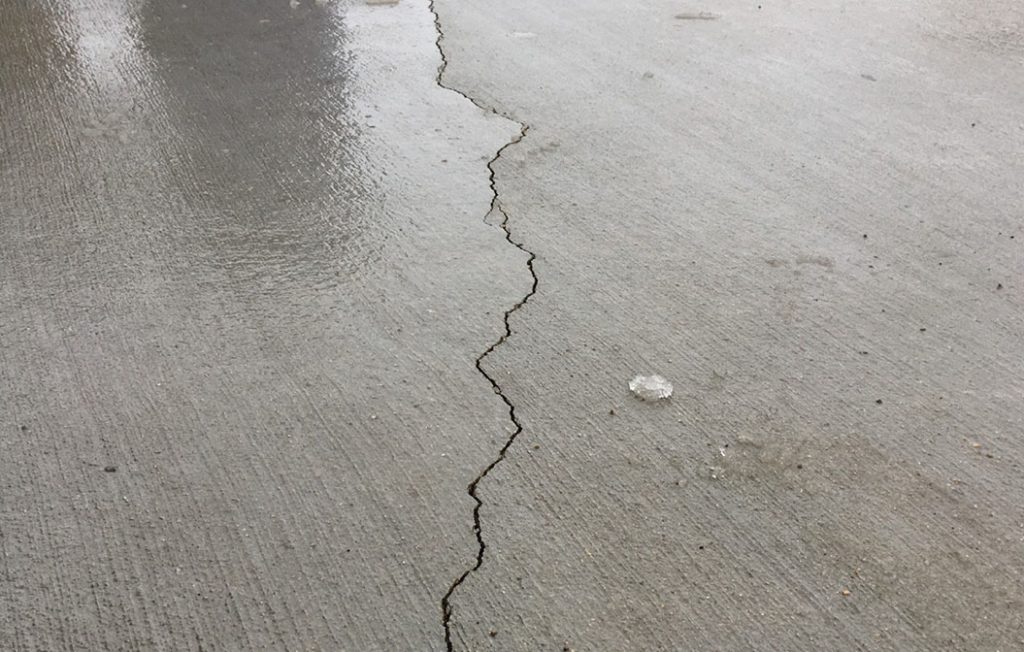
Concrete Cracks
It is normal for concrete flatwork to crack, and in most cases, this is not warrantable. Concrete will shrink as it cures (dries), causing stress to the slab that is released by separation, or cracking.
Expansion in warm weather and contraction in the winter months, ground settlement and the effects of ground frost are other causes for concrete to crack.

Garage Floor
The garage floor is not a structural slab. It sits atop the center beam and is reinforced with steel rebar that is doweled in to the grade beam. This minimizes the effects of settlement and heaving. However, curing, frost, and expansion and contraction during changes in weather can still cause cracking and settlement. Broadview Homes does not offer warranty on the effects of settlement or curing.
Water can pool on the garage floor if settlement occurs beneath the floor. This can contribute to pitting and spalling because standing water may contain salts, chemicals and mechanical fluids from cars, snow blowers and lawn mowers. Immediately remove any standing water to avoid damage or deterioration of concrete.
Powdering or Efflorescence of Concrete
Powdering or chalking on concrete surfaces is called efflorescence and is caused by soluble salts in the concrete that are brought to the surface as the moisture within the concrete evaporates. This will most commonly occur as the concrete cures, or if there are cracks in the concrete where water can pool. Though cosmetically unpleasing, this issue has no effect on the strength or structure of the concrete and is not within the builder’s control.
Spalling (concrete surface chips)
Spalling, or chipping/flaking of exterior concrete surfaces, is most often caused by salts, chemicals (vehicle leaks, etc.) or pressure washing and is not covered by Broadview warranty. To remove ice use a product that will not harm the concrete surface, such as sand.
Temporary or Gravel Driveways
Temporary, or gravel, driveways can become inaccessible in the spring and you may need to park on the street for a short period. Broadview Homes will ensure that you have a clear and safe path to your home from the street, but we will not deliver additional gravel or fill. Frost that is continuously escaping from below the driveway is pushing mud to the surface and extra fill cannot stop this, it will only prolong the thawing process.
If you require a temporary path from the street to your home, please email seasonal work at seasonalwork@qualico.com.
Voids and Settlement
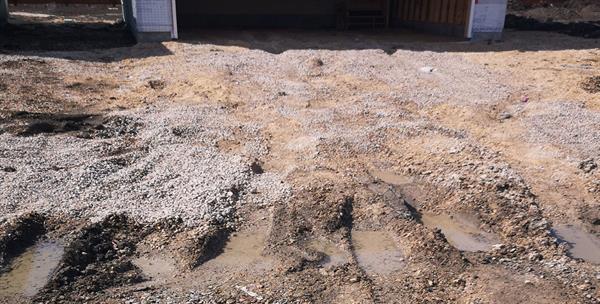
Ground settlement around and underneath sidewalks and driveways is common for several years after construction. As the earth around your home compacts, it may form depressions, especially around filled areas like the foundation and underneath the front sidewalk where utility trenches are dug. These depressions must be filled to the original grade level so that water will not collect there and cause damage. Voids caused by settlement are not within the builder’s control and are homeowner responsibility to maintain.
Exterior: Finishes
Caulking
Caulking is used on a number of exterior finishes to create a seal between two building materials. Over time, caulking breaks down so it is important to check and repair or replace caulking on your home as needed. These areas include, but are not limited to, eaves trough joints, windows, exterior trim and exterior vents. Caulking is a part of homeowner maintenance and is only warranted for the first year.
Eaves Troughs
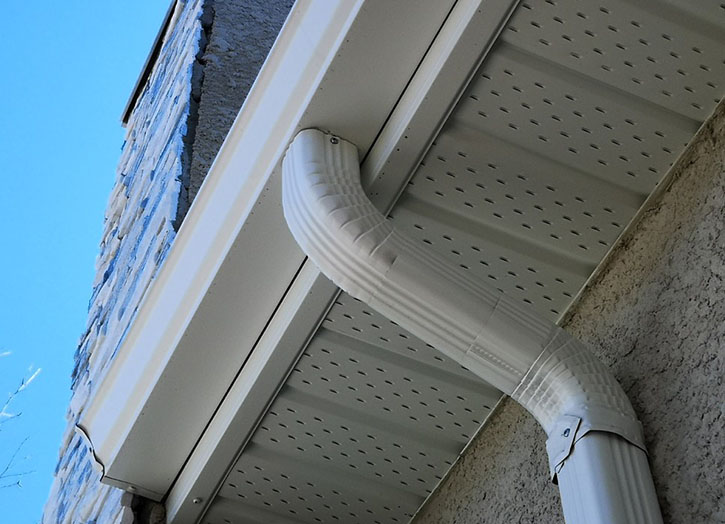
Eaves trough leaks most commonly happen when the caulking at the joints shrinks or cracks from cold weather, or from ice dams.
Ice Dams will form when snow melts in to the eaves and freezes. This eventual build-up of ice forces water to overflow the eaves and can be mistaken for leaking. Ice damming can also force ice beneath the shingles causing an eventual leak inside.
Caulking can crack and separate in the cold weather and it may be necessary to re-seal eave joints every spring. As a courtesy, Broadview Homes will reseal eaves for the first year.
Downspouts are designed to direct water away from the foundation and should be left as installed. Altering the direction of a downspout can affect drainage, or infract on land developer guidelines. Contact Broadview Warranty if you are concerned about the direction of a downspout.
Garage Overhead Door Openers
Installing an automatic garage door opener may void warranty on the overhead door. To reduce the risk of voiding the warranty we recommend using an authorized installer.
Masonry
Small cracks are common in mortar joints or masonry construction because exterior masonry is subject to severe weather conditions and normal settling. Most cracks are not covered by Broadview warranty, however, cracks deemed to be excessive, and loose or fallen masonry is warranted for 5 years.
Paint
Exterior paint is not covered by warranty. Please refer to your contract’s paint color chart, or contact Broadview Warranty to request paint code information.
Roofing Shingles
Roofing shingles used in the construction of your home are Owens Corning’s Duration line of shingles and have a limited lifetime warranty through the manufacturer.
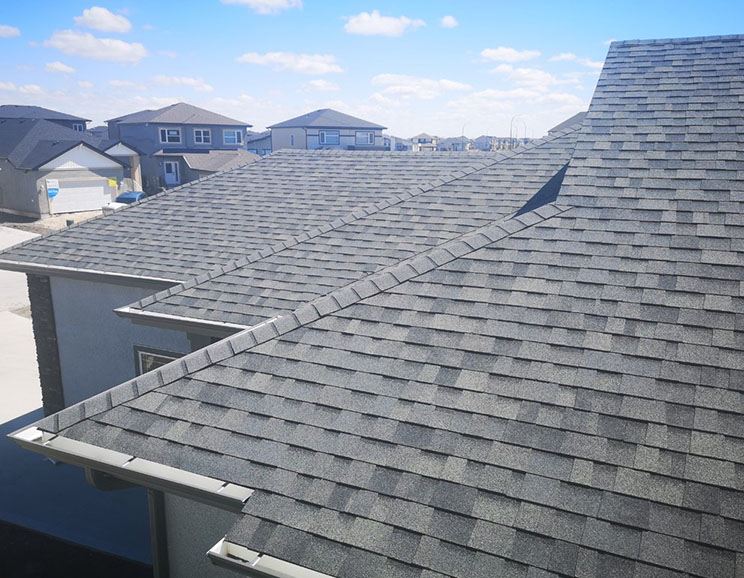
It is not uncommon for shingles to blow off in the first winter and spring because shingles installed over the winter do not have the chance to tab, or fully adhere, until the sun is warm enough to heat the bonding agent. Missing shingles should be reported to Broadview warranty as soon as they are noticed.
Shingles are warranted by Broadview Homes for 5 years, but are only covered up to certain wind speeds. Shingle blow off during high winds may not be warranted. For information on shingle warranty, refer to Owens Corning’s website at:
http://roofingca.owenscorning.com/docs/
warranty/LifetimeWarranty.pdf
Siding
Siding is warranted for 1 year, and for 5 years against detachment.
Stucco
Stucco cracks are caused by building materials shrinking, or moving, as they cure, and by the shrinkage of stucco cement during its normal drying process. This is common and most cracks are not warranted.
Efflorescence is a white powdery substance that accumulates on stucco when water inside the stucco evaporates and leaves behind crystalline salt deposits. This is a natural occurrence and is not covered by warranty. Efflorescence can most often be removed with at-home solutions or commercially sold products.
Stucco color variation is common after repairs because stucco is in essence colored sand, and no two mixes of sand will be exactly alike. Broadview Homes is not responsible for stucco color variation where there is no defect in material or application.
Stucco defects causing water ingress, or leaks, is warranted by Broadview Homes for 5 years.
Exterior: Yard and Drainage
Maintaining landscaping, lot grades and ground settlement is a part of regular homeowner maintenance and is not covered by Broadview warranty.
Call, or Click, Before You Dig
If you are planning to dig a fence, pool, tree, etc., contact MB Hydro for the location of any buried cables:
1-800-940-3447; or
www.clickbeforeyoudigmb.com

Duplex homes have a 240v electrical cable buried behind the building that can only be located by a private utility locating service. We recommend using Accurate Underground. Accurate Underground is not affiliated with Broadview Homes, and this service is not covered by Broadview warranty.
Accurate Underground
204-330-7538; or
info@accurateunderground.com
Ground Drainage
Maintaining the original grade around the home is an important part of regular homeowner maintenance. Ground settlement and weather can alter grades and lead to standing water that can damage the foundation. To maintain positive drainage the earth must slope away from the foundation, and the side yard swales must carry water to the front or back of the lot. Always ensure that your sump hose is connected in spring and summer and is discharging away from the foundation. Disconnect the hose in fall and place a splash pad beneath the sump discharge to prevent soil erosion.
Ground Settlement
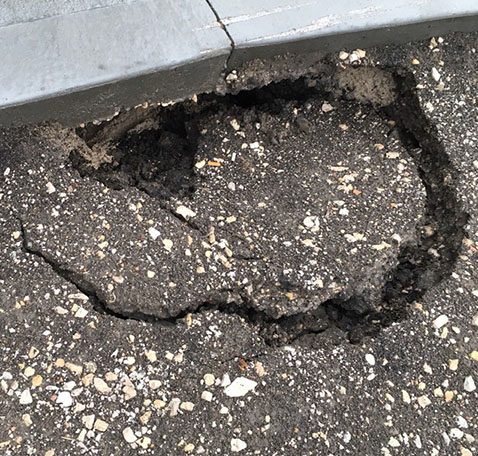
Ground settlement around and underneath the foundation, walks and driveway is common for several years after construction. As the earth around your home compacts, it may form depressions, especially around filled areas like the foundation and underneath the front sidewalk where utility trenches are dug. These depressions must be filled to the original grade level so that water will not collect there and cause damage. Voids caused by settlement are not within the builder’s control and are homeowner responsibility to maintain.
Landscaping
Landscaping as required by your community land developer is the homeowner’s responsibility to complete within the first year.
Landscaping materials approved by the developer include sod, bark/mulch, and rock between 3/4″ and 1 1/2″ (with restrictions). Seeded grass is not accepted. Landscaping guidelines are set by the land developer and are not at the discretion of Broadview Homes.
In most cases, Broadview Homes does not warrant landscaping provided by the builder because it is too susceptible to damage and neglect.
Lot Grades
Lot grades are determined by the landscape engineer for your community and should not be altered. Each lot grade is designed specific to its location in a community and altering it could cause surface drainage issues and water damage to yours, or neighboring homes.
For more information, see the Completing the Exterior Work section of this manual.
Sump Pump
Please refer to the Sump Pump and Sump Pump Pit section of this manual.
Water Boxes or Curb Stops
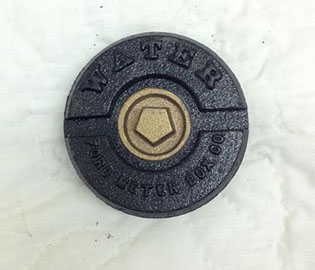
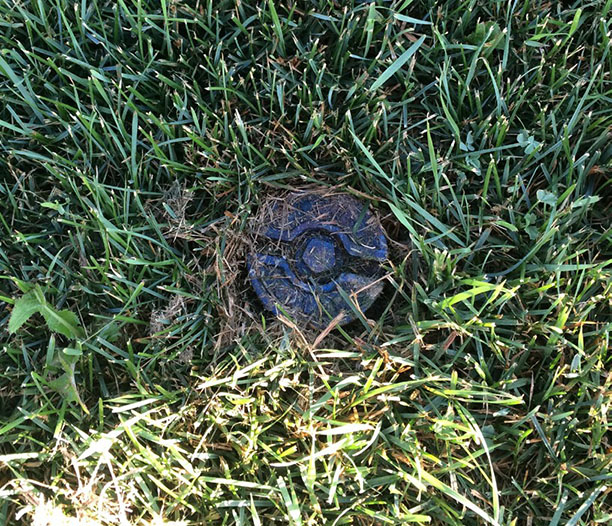
Water boxes, or curb stops, are the access to your home’s main water shut off and must be accessible at all times. If there is a water emergency and the City cannot locate the water box, they will not be able to shut off the water to your home. If a water box is covered by the homeowner (i.e. with landscaping) and requires locating, the cost to locate and unearth is deducted from the homeowner’s landscaping deposit.
Window Wells
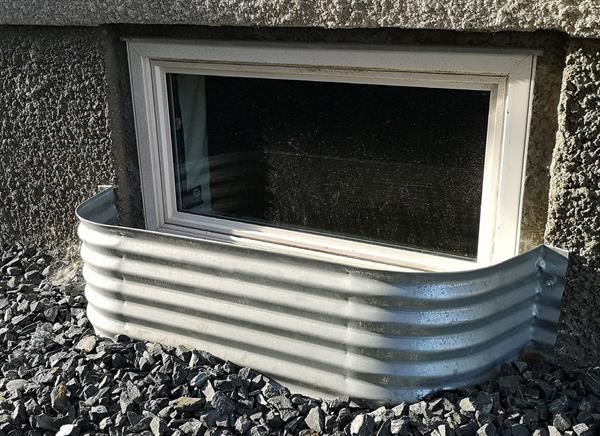
Window wells are required when finished landscaping is too close to, or above, a ground level window. Most window wells have a dedicated weeping tile, and should be based with landscape rock to encourage water to drain from them as quickly as possible. To prevent the window wells from flooding, keep them free of mud and debris, and clear snow out in the spring to prevent water ingress at the window as it melts. This is a part of regular homeowner maintenance and Broadview Homes does not warrant resulting damage.
Fireplace
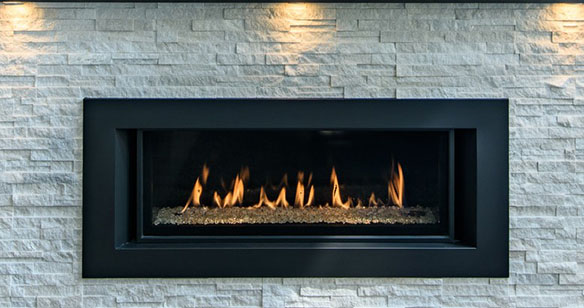
Gas and electric fireplaces are not designed to act as a substantial heat source for your home and should not be left running for an extended period. Running the fireplace for several hours may result in over-heating and can cause damage to surrounding drywall, masonry and appliances such as television sets. Fireplaces are covered by Broadview warranty for 1 year.
Cracked Fireplace Grout
Small cracks in grout can appear when the masonry tile or brick expands or contracts in response to the increased heat, or even humidity. This is the nature of the material and is not covered by Broadview warranty.
Fireplace Odor
An odor resembling natural gas will emit from the fireplace for the first several hours of operation. This odor is the fireplace burning off the chemicals used in its construction, and will eventually subside. This is not a health or safety concern and is not related to your natural gas line.
Fireplace Manual
Your gas fireplace manual should be located in a cache beneath the fireplace box, depending on the model of fireplace in your home. If you cannot locate the manual, you can find it online at either of the following websites. Contact Broadview Warranty if you are unsure of your fireplace model.
www.napoleonfireplaces.com
www.marquisfireplaces.net
www.kingsmanind.com
You can find your electric fireplace manual on Dimplex’s website. The most common model is the BLF50 Synergy model.
www.dimplex.com.
Foggy Fireplace Glass
Foggy or cloudy fireplace glass is the by-product of combustion and should clear up within a minute or two. This is normal.
You should have a qualified technician periodically inspect your gas fireplace to ensure the flow of combustion and ventilation air is not obstructed.
Never operate the fireplace without the glass properly secured in place, or if the glass is broken.
Flooring
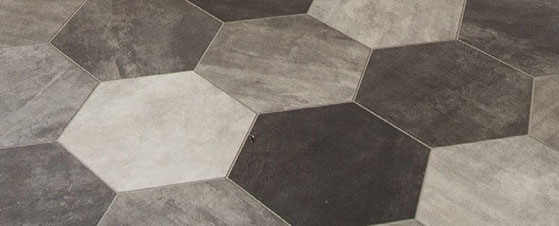
Defective flooring and installation errors are covered by Broadview warranty for 1 year.
Carpet
Broadview warranty does not cover the following common flooring concerns:
- Fading of carpet color is caused by exposure to light. This is normal.
- Excessive humidity and damp weather can cause the carpet to buckle. This usually disappears with the return of dry weather or proper dehumidification.
- Shading is a characteristic of cut pile carpets and happens when footsteps, or similar contact, compresses the tufts causing them to reflect light differently than those around them. This is not a defect, but merely an aesthetic quality.
- Fluffing or shedding of loose carpet fibers is common during vacuuming and does not harm the carpet. If shedding seems excessive, it is possible that your vacuum cleaner is too powerful for your style of carpet.
- Sprouts are tufts of yarn that stand up higher than the carpet. It is a condition common to new carpets and not a manufacturing defect. Clip off the excess length with scissors or nail clippers, but do not to pull out the tuft or cut it with a knife.
Carpet Care and Maintenance
- Frequently vacuum high traffic areas. This will help to prevent carpet wear.
- The weight of furniture on any carpet will crush the pile. Vacuum against the lay of the tufts to restore the pile, or hold a steam iron several inches above the carpet and steam the dented area lightly; brush tufts upwards.
- We recommend that you have your carpet professionally cleaned from time to time to remove the embedded dirt that causes dullness and premature wear.
Flooring Gaps
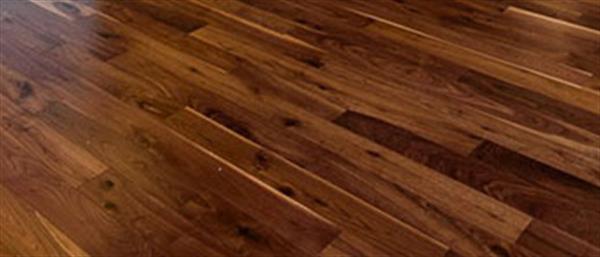
Low humidity can cause flooring material to dry out and shrink creating gaps in vinyl plank, laminate and hardwood flooring. These gaps are not a defect of labor or material and are not covered by Broadview warranty.
Floor Noises
Floor noises are not unusual in new home construction. New wood materials have high moisture content and can contract and expand with temperature changes causing a ‘squeaking’ friction when pressure is applied. For this reason, even an engineered flooring system cannot guarantee a
noise-free floor.
Broadview Homes will attempt to correct floor noises within the first year. Floor noises cannot always be corrected, so we will only make one repair attempt for each affected area.
Laminate, Hardwood and Vinyl Plank Flooring
Broadview warranty does not cover the following common flooring concerns:
- Shrinking and expanding of vinyl plank, laminate and hardwood flooring is caused by humidity levels in the home. Maintaining an adequate level of moisture will help regulate this movement, which is not a warranty-related concern.
- Lifting or swelling of vinyl plank, laminate and hardwood floors caused by water.
- Fading. Exposure to the sun can cause some flooring to fade, and in most cases, this is normal and not warranted by the manufacturer or Broadview Homes.
- Scratches in vinyl plank, laminate and hardwood flooring will occur with use. How easily your flooring scratches will depend on the product itself. Minimize the risk of scratches by applying felt protectors to the bottoms of furniture. Do not move or drag large items like furniture or appliances across flooring without placing protection such as a blanket, or mat, beneath it.
Laminate, Hardwood and Vinyl Plank Care and Maintenance
- Maintain a relative humidity of about 30% – 45% to help prevent expansion and contraction of vinly plank, laminate or hardwood floors, which may cause buckling, peeling, cracking or unattractive gaps between the planks.
- Laminate and hard wood floors will absorb liquids quickly causing the boards to swell. Wipe up spills immediately to avoid damage.
- Although vinyl plank flooring is waterproof, water will still make its way through the joints and cause damage to the sub flooring if left unattended. Wipe up spills immediately to avoid damage.
- Do not use abrasive cleaners like ammonia or chlorine bleach.
- Minimize the risk of scratches in flooring by applying felt protectors to the bottoms of furniture. Do not move or drag large items like furniture or appliances across flooring without placing protection such as a blanket, or mat, beneath it.
- Do not use rubber back floor mats on vinyl floors; this may cause yellow patches.
HRV System
Your HRV unit is the lungs of your house and should never be turned off.
During the heating season the Heat Recovery Ventilator, or HRV, recovers heat from the outgoing, stale household air and uses it to preheat incoming, fresh outdoor air. The HRV then sends the partially heated incoming air to the furnace, which distributes it throughout the house. Broadview Homes warrants HRV’s for 2 years. The HRV core is covered by a limited lifetime warranty through the manufacturer.
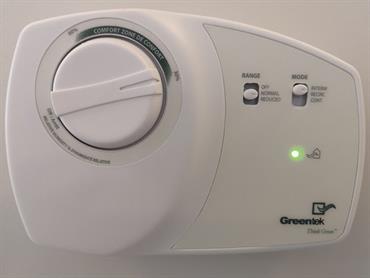
How to Operate the HRV and Dehumidistat:
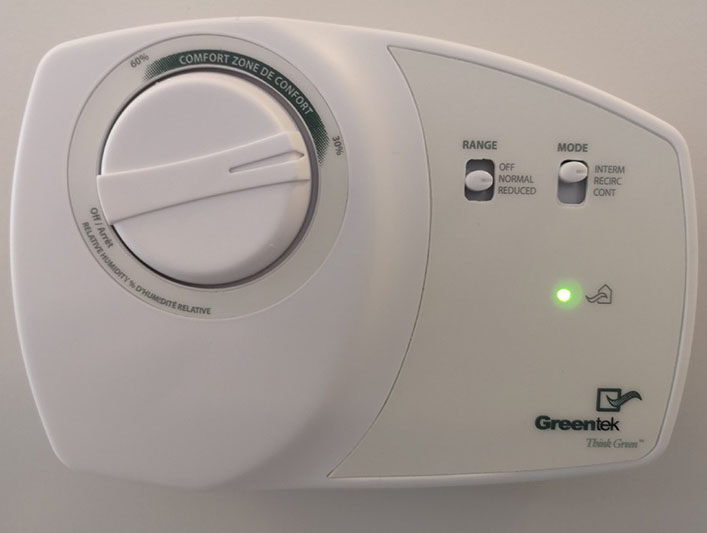
Turn the dehumidistat Comfort Zone dial to 0%, or off, in the humid summer months.
The dehumidistat is the control panel on the main floor next to the thermostat.
DO NOT turn the HRV to the Off position on the HRV unit itself as this will disable your bathroom exhaust fans.
DO NOT operate an air conditioner while the Comfort Zone dial is above 0% because they will work against one another.
Set the dehumidistat Comfort Zone dial back between 30% – 45% in the winter when the furnace is operational and the air conditioner (when applicable) is turned off.
The Comfort Zone dial controls how much fresh air is brought in to the home and should be operated as suggested above. The two additional settings should not be adjusted. The Range should be set to ‘Normal’, and the Mode to ‘Intermittent’.
HRV Maintenance
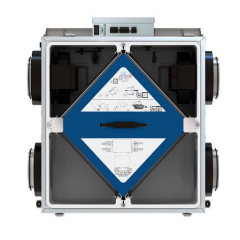
Like your furnace, the HRV has filters that require maintenance approximately every 3 months. To
clean the HRV filters:
- Open, lift and slide the front face panel off the unit.
WARNING! BE SURE TO DISCONNECT THE ELECTRICAL POWER
BEFORE SERVICING YOUR SYSTEM - Remove the two filters over the heat exchange core and rinse them, or clean with mild soap and water. In cold weather, ensure that filters are completely dry before reinserting them so they do not freeze from the cold intake air.
- Typically the heat exchange core only requires cleaning once a year, but should still be inspected periodically. The core is the large white box in the center of the HRV unit. To clean the core, remove it and rinse with a garden or shower hose. We recommend cleaning in warmer weather so that there is no chance of a wet core freezing.
- Check the drain pan and clean if needed.
- Ensure all filters are reinserted correctly before replacing and closing the front panel.
How the HRV Works
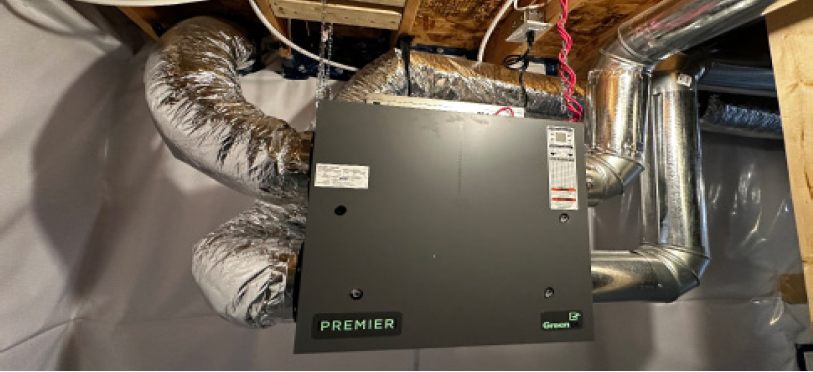
The flow of air in and out of the house takes place simultaneously. Fresh outdoor air is filtered before it enters the HRV core and is then distributed by your furnace fan throughout the home via ductwork. A separate ductwork system draws the stale indoor air back to the HRV where it is pushed by a fan through the heat-exchange core. Here the stale air releases heat that is transferred to the fresh air being drawn into the house. Typically, an HRV is able to recover 70 to 80 percent of the heat from the exhaust air and transfer it to the incoming air. This dramatically reduces the energy needed to heat outdoor air to a comfortable temperature.
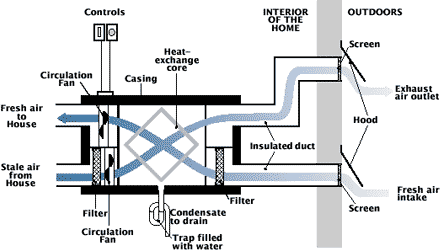
Note: All the parts shown here may not be found on all HRVs.
(Excerpted from Natural Resources Canada website)
For more information on HRV function, please visit Greentek’s website at
https://www.greentek.ca/products/ventilation/model-xdh-7-15-hrv/.
Heating, Ventilation and Air Conditioning (HVAC)
Most components of the HVAC system are covered by Broadview warranty for 2 years. Some manufacturers offer extended warranty, so be sure to register your products shortly after you move in.
Registering your furnace and air conditioner:
Register your Keeprite Gas Furnace with the manufacturer for extended warranty: https://productregistration2.icpusa.com/Public/Home?brand=icp
Register your Stelpro Electric Furnace with the manufacturer for extended warranty:
https://www.stelpro.com/tools-and-support/register-your-product/
Register your Keeprite Air Conditioner with the manufacturer for extended warranty: https://productregistration2.icpusa.com/Public/Home?brand=icp
Air Conditioner
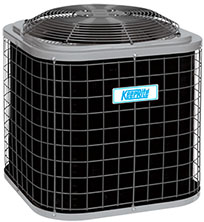
If you purchased an air conditioner that was installed outside of the air conditioning season, it must be charged and activated before using. Do not operate the air conditioner unless you know this service has been completed.
Air conditioners should be cleaned every spring because grass clipping, leaves and other debris can collect in the unit decreasing its efficiency. If left unattended, this could eventually result in costly repairs not covered by Broadview warranty.
Turn the air conditioner off during the winter months. To do this, turn the thermostat to ‘Heat’ or ‘Off’. Then, turn off power to the air conditioner at the electrical panel, and at the switch inside the panel mounted by the air conditioner unit itself. It is also a good idea to cover the air conditioner for the winter.
Ductwork Noise (Tin Canning)
Ductwork noise is commonly referred to as tin canning, and happens when metal ducts expand as they heat or contract as they cool. This is a normal response to changes in temperature and is not covered by Broadview warranty. As a courtesy, Broadview Homes will attempt to reduce tin canning, but we cannot guarantee eliminating the noise.
Exterior Intake and Exhaust Vents
It is important to clear debris from all exterior vents, and to be sure that ice or snow are not blocking them in the winter.
Dryer exhaust vents will collect lint and other debris and periodically need to be cleaned out. If your dryer is not working well, or has stopped altogether, it is possible that the dryer vent outside is plugged.
Furnace Failure (Gas and Electric)
If the heating system fails, check the following before contacting Broadview Warranty:
- Re-boot the furnace by turning the furnace switch off for 2 minutes before turning it back on. The furnace on/off switch is located near the furnace, most often on a floor joist. If this does not fix the problem;
- Check the furnace filter. Clogged furnace filters are the primary cause of furnace problems and can damage the system.
- Confirm that the furnace breaker on the electrical panel has not tripped.
- Ensure that the thermostat on the main floor has not been set to Off , or AC , or that the thermostat batteries did not die.
- Make sure that ice and snow are not blocking the exterior vents.
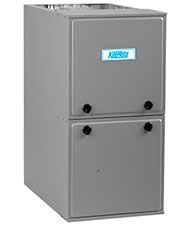
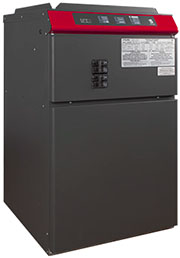
In an emergency (when heat is crucial) immediately contact Broadview Warranty within working hours. If it is after hours, or past the 2-year warranty period, contact the heating contractor as indicated on your furnace, and on page 1 of the Homeowner Manual binder.
Labor charges for emergency calls are billed directly to the homeowner when calls are unnecessary, non-emergency, or when warranty coverage is expired.
Furnace Fan
Your furnace fan will run continuously if the HRV setting at the main floor dehumidistat is accidentally set to ‘Continuous’ mode. If this is the case, simply correct the setting to ‘Intermittent’. The HRV unit itself does not have a blower system to distribute fresh air through the home so it relies on the furnace fan for this.
Furnace Filter
Furnace Filters are crucial to the operation of your furnace and you should replace them approximately every 3 months, or more, depending on your home’s environment. A dirty or clogged filter will restrict airflow causing the fan motor to over-work, and potentially burn out.
We recommend purchasing basic, low MPR rated filters. Higher rated, more expensive air filters restrict airflow and can force your high efficiency furnace to work harder than necessary.
How to Operate the HRV and Dehumidistat
Please refer to the HRV system section of this manual.
Humidifier
Humidifiers are tied directly in to a plumbing water supply and work by adding moisture to the air as it leaves the furnace. If you purchased a humidifier, it is located on your furnace and should be operated and maintained as outlined in the manufacturer’s operating manual.
In the humid summer months turn the humidistat dial to the ‘Off’ setting. The humidistat is located on the furnace next to the humidifier.
In cold, dry winter months turn the humidistat back ‘On’, and adjust the dial to the desired humidity level.
Humidity Control
Summer
- In the summer months turn the dehumidistat Comfort Zone dial to ‘Off’. If left on in the summer, the HRV will continue to draw outside air in an attempt to lower the humidity in the home. Outside air is humid in the summer so this will actually raise the humidity, and will work against the function of an air conditioner.
- Turn humidifiers off (if applicable).
- Windows should be closed during damp, muggy weather and opened during clear, dry weather.
- Turn kitchen and bathroom exhaust fans on before, during and after cooking, bathing or showering to remove damp air.
Winter
- In the winter the dehumidistat should be set between approximately 30% – 45% to exchange the moist air from inside for the relatively dry air outside.
- Window coverings should be lifted during the day to allow airflow and sunlight to reduce the risk of window condensation.
- Turn humidifiers on (if applicable) to help regulate humidity.
- Turn kitchen and bathroom exhaust fans on before, during and after cooking, bathing or showering to remove moist air.
Thermostat
If the low battery indicator on your programmable Honeywell thermostat is flashing, or if the unit ceases to work, turn it to the ‘Off’ setting, remove it from the wall and replace the two AAA batteries located at the back.
The most common model is the PRO 2000 Series and can be found here: https://customer.resideo.com/resources/techlit/TechLitDocuments/69-0000s/69-2608EFS.pdf
For other Honeywell thermostat-operating manuals, see the link below. https://www.honeywellhome.com/us/en/support/air/thermostats/product-selector/manuals/
Interior Finishes
Ceramic Tile and Grout
Ceramic tile is warranted by Broadview Homes for 1 year.
Grout commonly cracks because of normal building material shrinkage and is homeowner responsibility to maintain. Broadview Homes will repair grouting once at year-end, but is not responsible for color variations, product discontinuation, or damages resulting from water penetration prior to the repair.
Ceramic Tile and Grout Care and Maintenance
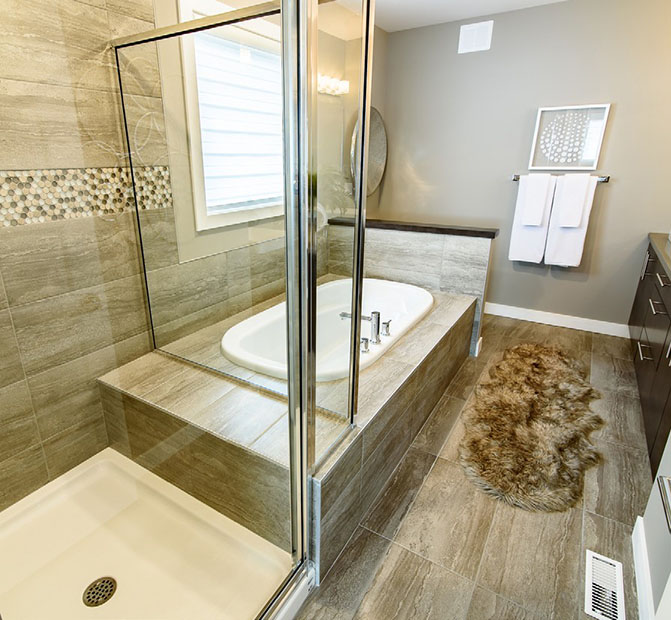
- Wipe ceramic tile dry after each use of the tub or shower to avoid mold build-up.
- Repair caulking around your tub as part of your regular maintenance. Over time it breaks down, making it possible for water to penetrate the walls.
- Grout will shrink and crack over time and will periodically need to be repaired or replaced.
- It is recommended to apply grout sealer to extend the life of the installation.
Doors
Tight fitting or warped interior doors are usually the result of high humidity. Doors should correct themselves once humidity levels return to normal. If they do not, Broadview Homes will adjust or plane the door as needed for the first year.
Drywall
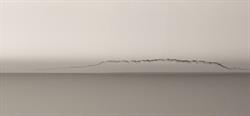
Drywall will move in response to ground settlement and to the shrinkage (drying) of new building materials causing drywall nails to pop and cracks to appear in the areas most affected. This is a normal process, and is not the result of defective materials or labor.
Truss uplift is another result of shrinkage, or drying. As the wood truss cures, it can lift, pulling the ceiling drywall away from the wall. This is also normal and is not the result of defective materials or labor. In most cases, trusses will move back with warmer weather and the truss uplift gap will close on its own.
As a courtesy Broadview Homes will repair drywall once at the end of the first year, provided that you submit a written request. Painting after drywall repairs is homeowner responsibility.
Gaps at Walls, Casings and Baseboards
Fluctuations in external temperatures can cause the exterior walls to contract and expand, causing the wall to pull away from fixtures such as cabinets, backsplash and countertops. This is normal and caulking gaps is only warranted for the first year. Walls should eventually move back and fill the gap on their own.
Cold weather and humidity levels will cause building materials to contract and expand, resulting in gaps at casing joints and between casings and flat surfaces like baseboards. Joints in window and door casings can be caulked, or filled and repainted. Baseboard gaps and gaps between other casings and flat surfaces should correct themselves with the return of warmer weather.
Interior Paint
Interior paint is not covered by Broadview warranty, however, we do provide a small paint kit. For paint code/color information you can refer to your paint kit, your contract’s paint color chart, or contact Broadview Warranty.
Never wash new paint. New paint should have at least six to eight months to cure before washing. However, if you have to, be very careful; use a soft cloth, never use an abrasive powder or soap and do not scrub.
Plumbing
All plumbing fixtures are covered by Broadview warranty for first year, and Moen plumbing fixtures carry a Limited Lifetime Warranty through the manufacturer. Plumbing delivery and distribution components are covered for 2 years. Hot water tanks are backed by a Manufacturer’s extended warranty and must be registered within 90 days of possession.
Registering Your Hot Water Tank
Register your hot water tank with the manufacturer for extended warranty:
For Rheem hot water tanks: https://www.rheem.com/warranties
For Bradford White hot water tanks: https://warrantycenter.bradfordwhite.com/
Exterior Faucets
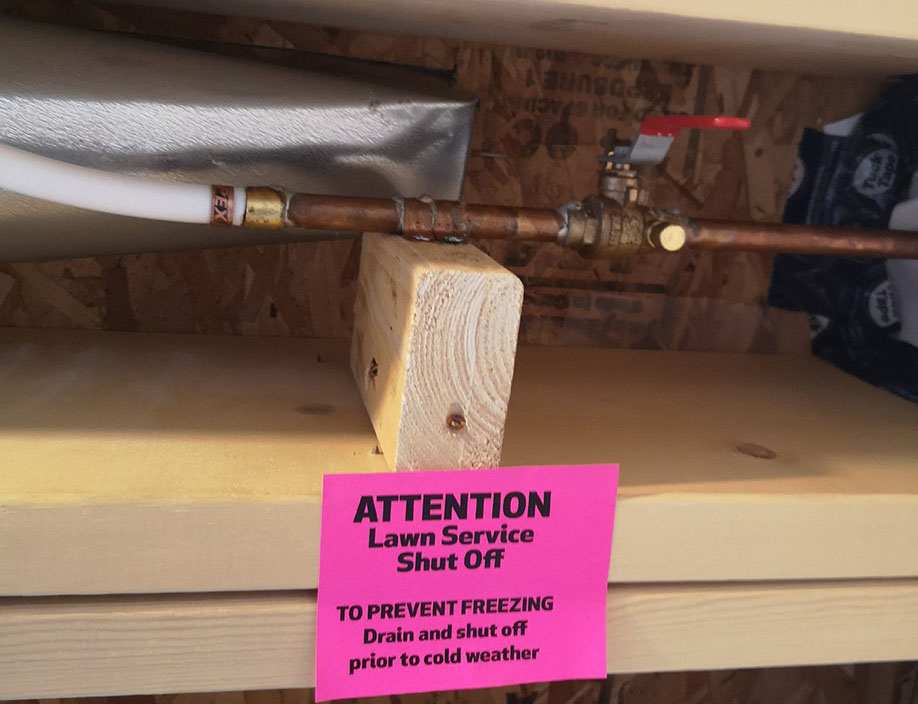
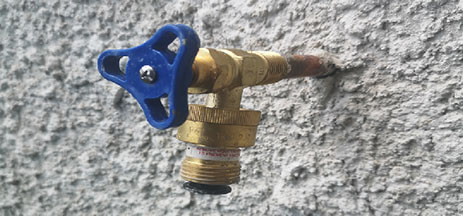
The lawn service (exterior faucet) shut offs can be found in the ceiling/joist area of the basement close to where the faucet is located outside. Most homes will have two.
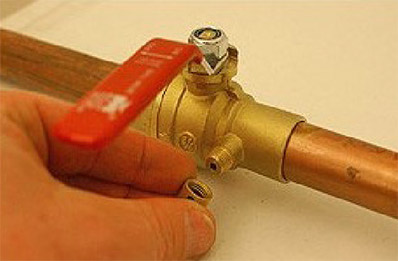
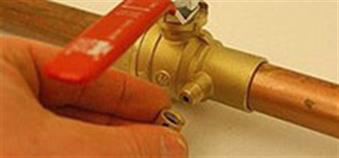
In the fall, your lawn services should be shut off and drained. To properly drain the lines, turn the red shut off levers to the perpendicular “off” position, and thread open the bleeder screw next to it as demonstrated below. Remove any hoses and open exterior faucets until they have all finished draining. Lastly, be sure to rethread the bleeder screw closed.
Frozen Water Line
Frozen water lines are common in our climate and should be reported to the City of Winnipeg immediately by calling 311. For information on frozen water lines you can visit the City of Winnipeg’s website.
If the frozen pipe is within the City’s main line (up to the water box) they will assume all costs. If the frozen pipe is between the water box and the house, the homeowner is responsible. Frozen water lines are warranted by Broadview Homes for 2 years.
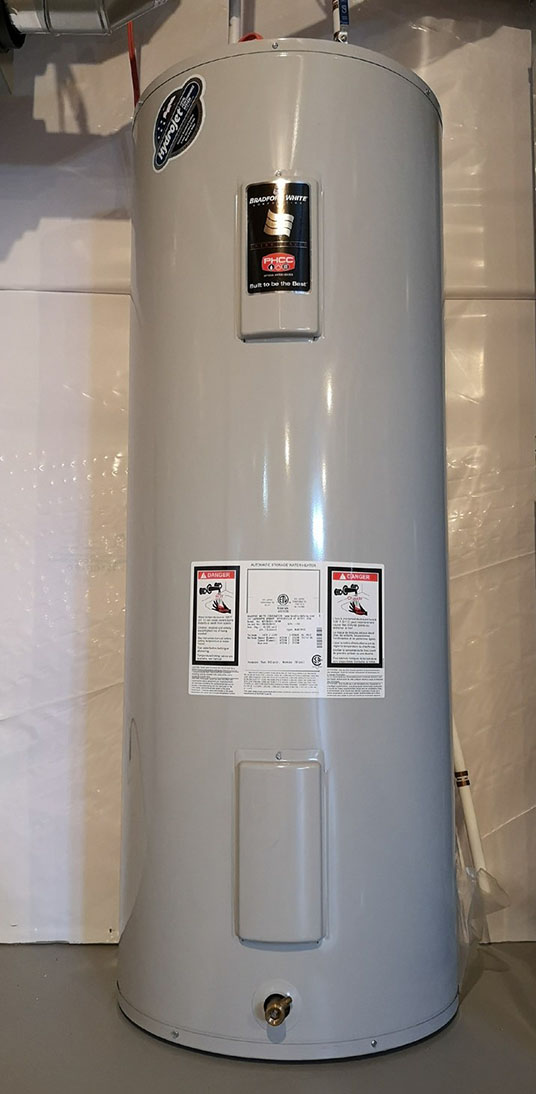
Hot Water Tank
Remember to register your hot water within 90 days to take advantage of manufacturer extended warranty.
Drain the hot water tank annually to reduce the buildup of damaging sediment. Instructions on how to safely drain the hot water tank can be found online, or you may consult a professional.
Never attempt to change the temperature of the hot water tank yourself. Temperatures are factory set at 140 degrees Fahrenheit to ensure that water doesn’t reach scalding temperatures, and so that bacteria will not form in the tank.
Jetted Tubs
Jetted tubs are supplied by either Hytec or Maxx. Basic jetted tub care and maintenance can be found in the Care and Cleaning section of Hytec by Kohler’s website at https://www.hytec.ca/care-and-cleaning.
If at first your jetted tub ejects a film, it is recommended that you fill the tub with a solution of vinegar and water and run the jets for a period. You may need to do this several times before you notice an improvement. This film is the pipes clearing and it will eventually subside. This is not within the builder’s control and is not covered by Broadview warranty.
Leaking Faucets
Plumbing faucets and fixtures are covered by Broadview warranty for the first year, and by Moen’s Limited Lifetime Warranty thereafter. For more information on care and maintenance, and on Moen’s extended warranty, please visit their website at https://www.moen.ca/customer-support/warranty.
Plumbing Leaks and Shut Offs
Plumbing leaks are warranted for two years, and should immediately be reported to Broadview Warranty.
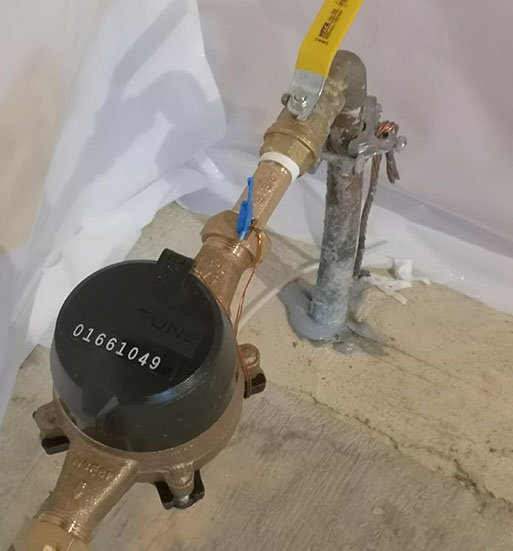
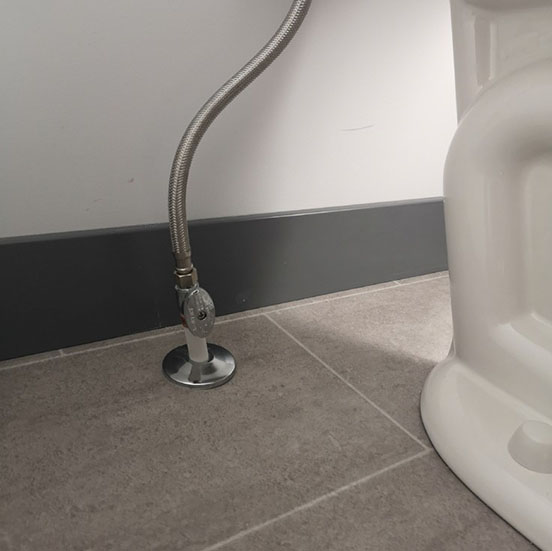
Some fixtures, such as toilets, dishwasher and fridge water lines, will have a dedicated plumbing supply shutoff that can be turned off until the leak is repaired. If there is no shutoff for the problem area and the leak is substantial, turn off the main water supply at the basement water meter until the leak is repaired.
Plumbing Odors and Water Discoloration
If your home suddenly has a strong smell of sewer in the winter, it is likely that the plumbing stack on your roof has frozen shut. Clear ice and snow away from the stack immediately to allow sewer gas to escape the home.
An odor emitting from faucets and floor drains usually means the p-trap has dried up, allowing gases to travel up the pipe and in to the room. Pour enough water down the drain to fill the p-trap to keep plumbing gas odors from coming through the pipes.
If the odor persists, the sink overflow reservoir may require cleaning. When water in the reservoir dries up it can leave behind an odorous film.
Occasionally the City of Winnipeg water supply will emit an odor, or you will experience water discoloration referred to as ‘brown water’. The City of Winnipeg states that these conditions are temporary, and are not harmful.
Plumbing odors and water discoloration are not within the builder’s control and are not warranted by Broadview Homes.
Thermodrain Drain Water Heat Recovery System
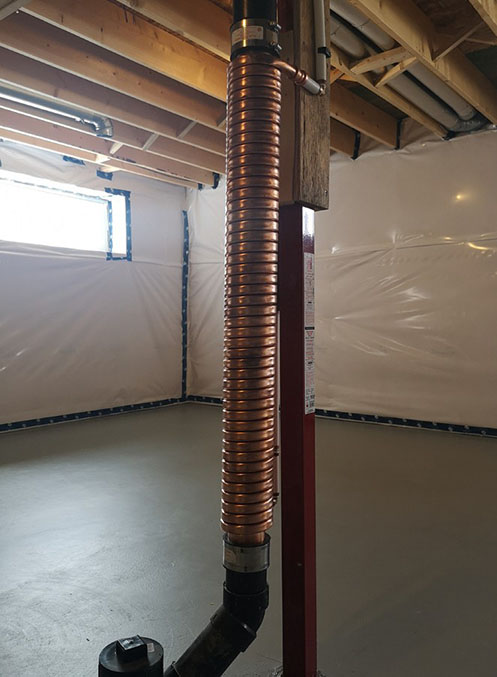
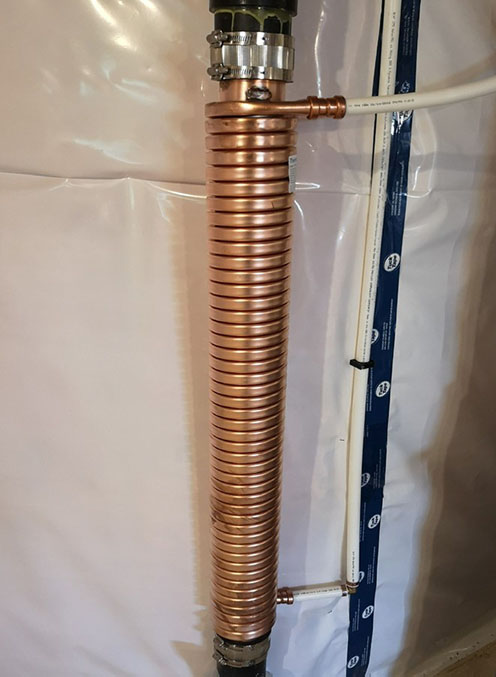
The drain water heat recovery system is a large copper coil located in the basement that recovers heat from used, outgoing drain water. The recovered heat is used to pre-heat water going to the hot water tank, saving you energy.
Please refer to Thermodrain’s website at https://ecoinnovation.ca/thermodrain-residential-resources/homeowner/ for more information on its operation and benefits.
Sump Pump and Sump Pump Pit
Sump pumps are warranted for 1 year. Damages caused by sump pump failure are not warranted and are a part of homeowner’s insurance.
How the Sump Pump Works
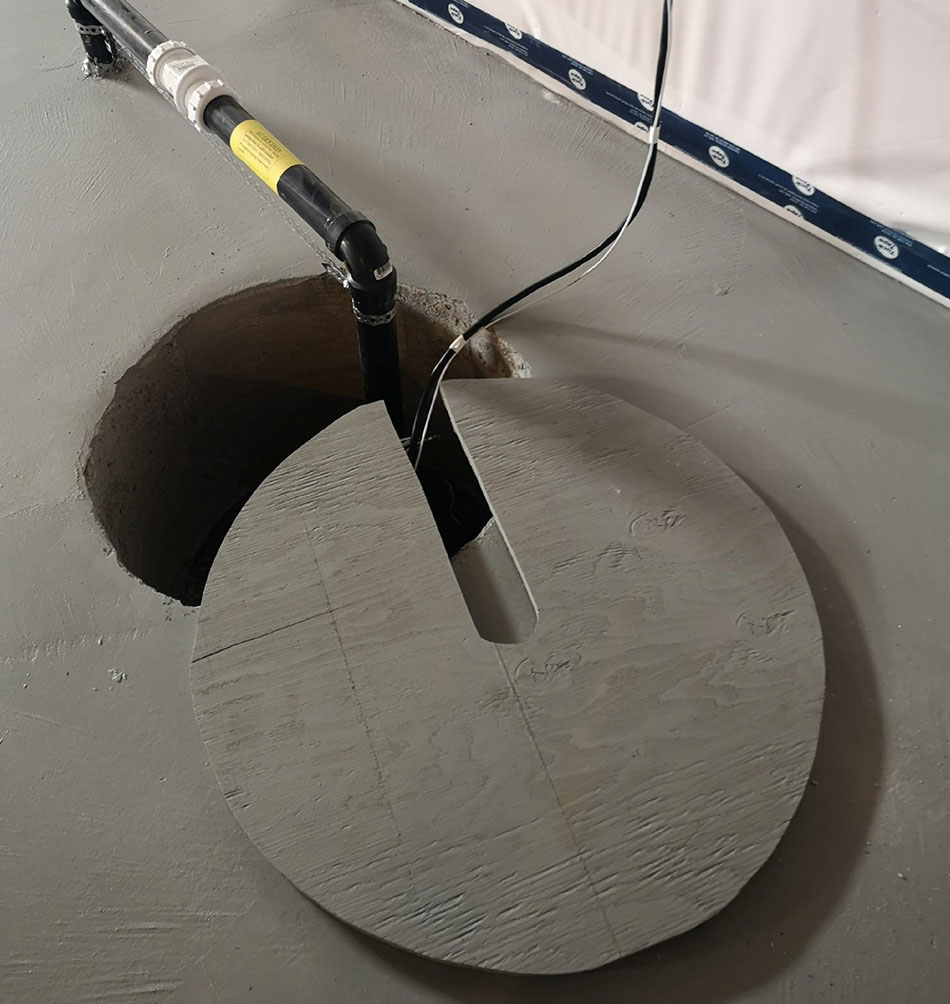
Sump pumps work to discharge damaging ground water away from the foundation of the home. Ground water collects in to a pit beneath the basement floor through a network of porous pipes called weeping tiles installed at the outside base of the foundation. When the water reaches a certain level inside the pit, the sump pump engages and empties the pit through a discharge pipe located at the side of the house.
Sump Pump Discharge
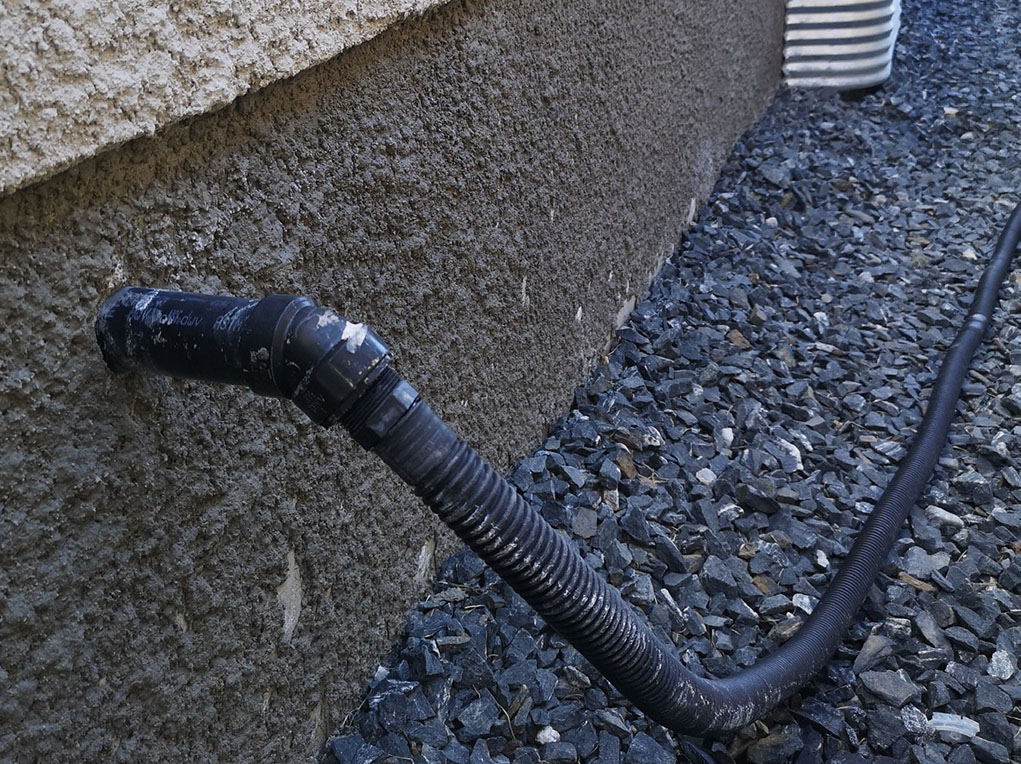
You must remove the exterior sump hose from your sump pump line in fall and winter, and place
a splash pad beneath the discharge to prevent soil erosion. If left connected, the hose will freeze and obstruct the flow of water and this obstruction could possibly burn out your sump pump. This may also cause a backup of water under the basement floor causing it to flood and/or heave.
You must reattach the exterior sump hose in spring and summer to ensure positive drainage away from your foundation walls.
Sump Pump Maintenance
Periodically operate the sump pump to help prevent the seals from drying out. To do this, remove the sump pump plug, draw air from the short plastic tester tube extending from the plug and immediately plug it back in. This should make the pump operate for a few seconds. If your sump pump does not have a tester tube, pour enough water in to the pit to cause the pump to operate for at least 30 seconds.
Periodically check the pit for soil seepage from the weeping tiles. If there is soil in the bottom of the pit, unplug the sump pump, remove it, and clean the pit and pump. These steps will ensure the proper operation of your sump pump.
Troubleshooting
If the pump fails to function:
- Ensure that the power source is turned on. If it is;
- Disconnect the power source and look to see if the pump is clogged. Do not check a powered pump. If the problem persists;
- Call Broadview Warranty in the first year. After the warranty period has ended, call the pump manufacturer for the name of a qualified service company.
Windows, Doors and Condensation
Window and door adjustments and pressure cracks are warranted for 1 year. Defective windows or doors and defects resulting in leaks are warranted by Broadview Homes for 5 years. This does not include pressure cracks or adjustments. To find the window and door supplier for your home please refer to your Homeowner Manual binder. For more information on the extended warranty provided by your window supplier, please visit their website at:
All Weather Windows:
Jeldwen Windows and Doors: http://www.jeld-wen.ca/en-ca/product-support/documents/canadian-warranties#part1
Plygem: https://www.plygem.ca/wp-content/uploads/2020/08/Dec2014NewWarranty_CS5_2014_View.pdf
Durabuilt Windows and Doors: https://durabuiltwindows.com/connect-you/warranty-details/
Condensation (Frost) on Windows
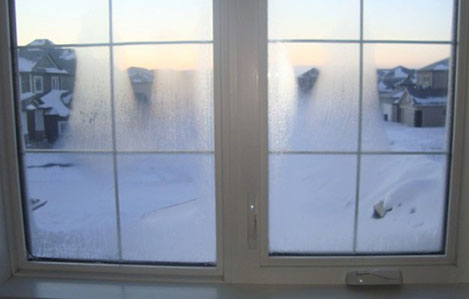
Condensation, or frost, on windows can collect when humid air comes in to contact with cold surfaces like windows. This is most common in extremely cold weather when high humidity levels exist in the home. Cooking, washing, bathing and the collective moisture in new building materials all contribute to high humidity levels.
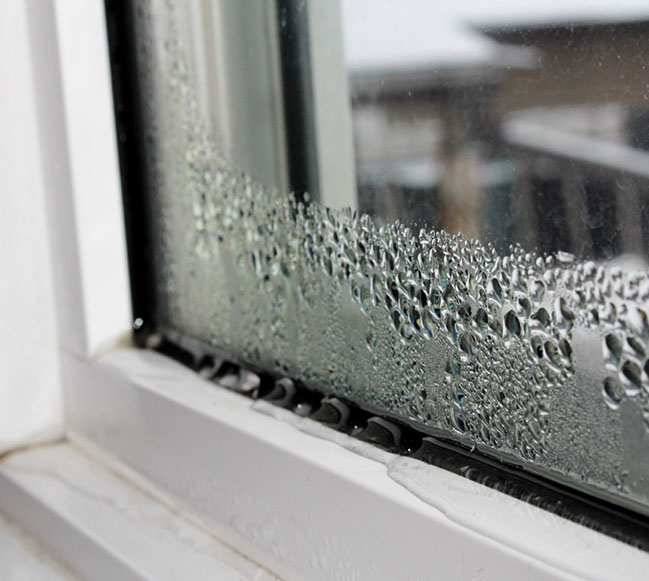
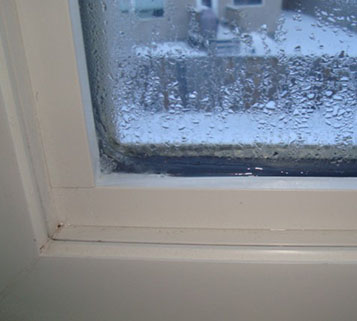
The most effective method for preventing condensation is:
- Through constant ventilation of the house. Ensure your HRV is operating normally and use the fans in your kitchen and bathroom when cooking and bathing. If you are not familiar with your HRV’s function, contact Broadview Warranty to book your Homeowner’s Maintenance Review.
- Raise window coverings so that warm air can circulate.
- Remove window screens so that warm air can circulate.
- Ensure that furniture is not covering or obstructing floor vents.
- Where humidity is extremely high, it may be necessary to use a dehumidifier.
Do not attempt to accelerate the drying process with high heating temperatures during winter; this will create uneven drying, which in turn will exaggerate the effects of normal shrinkage. Maintain a low relative humidity in the home. Condensation can damage window casings and coverings, and can cause mold growth. These damages are not covered by warranty.
Drafts around Windows & Doors
Drafts around windows and doors results from cold air (cooled by windows) dropping down, which then pulls the warm air toward the window called convection currents. As these currents move across a room they can easily be mistaken for air infiltration since air in motion feels cooler than air that is still.
Exterior Doors
Exterior doors can twist or warp toward the heated interior side in cold weather, but will usually return to normal in warmer weather. Doors warp because they are subject to the affects that weather and humidity have on natural wood products. This condition is more common in new homes because new building materials contain a considerable amount of moisture, and relatively airtight construction makes it very difficult for this moisture to escape.
Maintaining humidity levels, installing a storm door and ensuring that weather stripping is providing a tight seal are all ways to mitigate shifting or warping of exterior doors.
Due to high moisture levels within the home during the first few years, it is common for doors to freeze to weather stripping. For this, spray weather stripping with a lubricant.
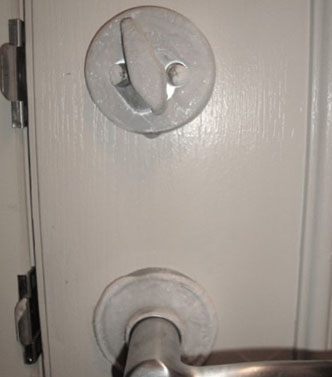
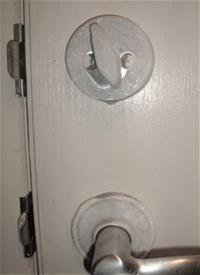
Humidity and severe weather can also ice up dead bolts. Spray frozen locks with lock deicer to help them release. Do not use hair dryers to deice dead bolts – the heat causes more ice as it freezes.
Interior Doors
Interior Doors that do not latch are most commonly the result of high humidity or settlement. Doors should correct themselves once humidity levels return to normal. If they do not, Broadview Homes will adjust or plane the door as needed for the first year.
Window Screens
If your screens do not have pull tabs, they are likely spring mounted and can be removed by pushing down on the bottom of the screen to relieve pressure from the top, then popping it out of the window.
Remove window screens in the winter to allow warm air to easily reach the window surface and help prevent window condensation.
Have any questions?We’re here to help!
We blend modern home designs and open concept layouts with family friendly living in mind.
Contact Us
